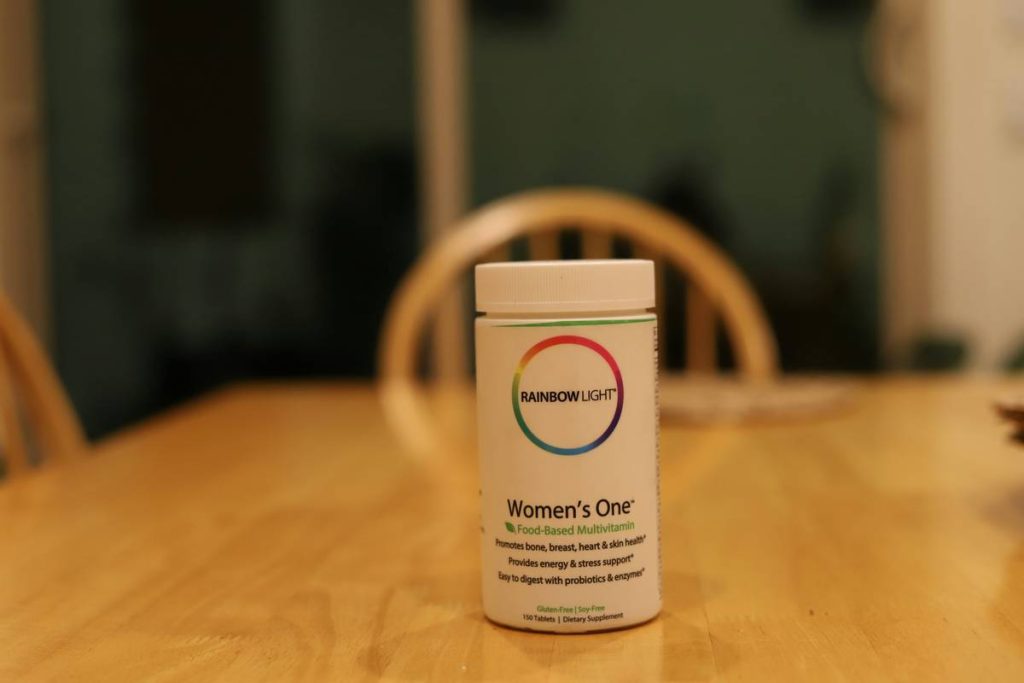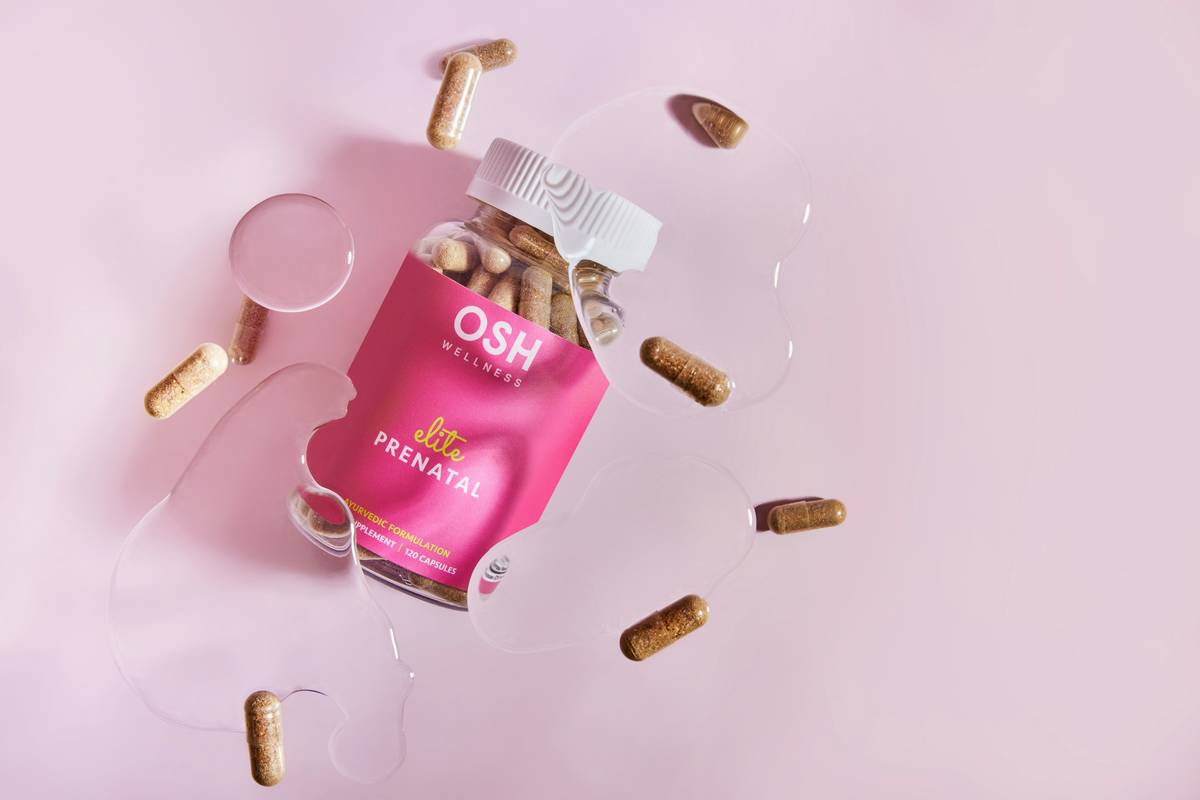
You just gave birth. You’re exhausted, emotional, and suddenly responsible for keeping another human alive—mostly through your own body. And now you’re staring at that familiar bottle of prenatal vitamins, wondering: are prenatal vitamins safe for breastfeeding? The label doesn’t say “stop after delivery.” But is continuing them actually helpful—or risky?
Why Most Advice About Postpartum Supplements Falls Short
Conventional wisdom says: “Keep taking your prenatals while nursing.” Sounds simple. But reality isn’t. Many prenatal formulas are over-engineered for pregnancy—not lactation.
Take iron. During pregnancy, you needed 27 mg daily to support blood volume expansion. Now? Excess iron can cause constipation, interfere with zinc absorption, and even alter your milk’s mineral balance. And yet—most drugstore prenatals still pack it in like you’re 36 weeks pregnant.
Here’s the reality: breastfeeding demands a different nutritional profile than gestation. Continuing the same supplement might not harm you—but it sure isn’t optimized.
How to Choose Prenatal Vitamins Safe for Breastfeeding: A Step-by-Step Guide
The goal isn’t just safety—it’s strategic nourishment. Your body is rebuilding while fueling your baby. Every micronutrient counts.
Check Your Iron Levels Before Dosing
If you had a vaginal delivery without significant blood loss, your iron needs drop sharply postpartum. Get tested. If your ferritin is above 30 ng/mL, skip high-iron prenatals. Look for formulas with ≤15 mg—or none at all.
Prioritize Choline and DHA Over Folate
Folate (or folic acid) was critical for preventing neural tube defects during early pregnancy. Now? Your focus shifts. Choline supports infant brain development through breast milk. DHA boosts visual and cognitive outcomes. Yet most prenatals skimp on both.
Avoid Mega-Dosed Vitamin A
Some prenatals use retinol (preformed vitamin A). In excess, it’s toxic to infants. Stick to formulas where vitamin A comes from beta-carotene—your body converts only what it needs.

| Nutrient | Pregnancy Need (Daily) | Breastfeeding Need (Daily) | Red Flag in Prenatals |
|---|---|---|---|
| Iron | 27 mg | 9–10 mg | >18 mg per serving |
| Choline | 450 mg | 550 mg | Absent or <100 mg |
| DHA | 200–300 mg | 300–500 mg | Not included or from low-quality fish oil |
| Vitamin A | 770 mcg RAE | 1,300 mcg RAE | >3,000 mcg as retinol |

The Industry Secret: “Prenatal” Doesn’t Mean “Postnatal-Approved”
Here’s what supplement brands won’t tell you: they keep you on prenatals because it’s profitable—and convenient. Reformulating for lactation? That means separate SKUs, extra clinical data, and consumer education costs. Easier to just say “continue as needed.”
But think about it: your hormonal landscape has flipped. Progesterone crashed. Prolactin surged. Your gut microbiome shifted. Why assume your vitamin needs stayed static?
One OB-GYN I consulted runs an informal trial: she switches her patients to a custom postnatal blend at 6 weeks postpartum—lower iron, higher choline, added selenium for thyroid support. Result? Fewer fatigue complaints, better mood scores, and richer milk nutrient panels. No major brand offers this out of the box—yet.
FAQ: Quick Answers to Real Questions
Can I keep taking my prenatal vitamins while breastfeeding?
Yes—if they’re low in iron and include at least 300 mg DHA and 250 mg choline. Otherwise, consider switching to a postnatal-specific formula.
Do prenatal vitamins affect breast milk supply?
Not directly. But deficiencies in key nutrients like B12 or iodine can impair milk quality. Supplements support supply indirectly by maintaining maternal health.
When should I stop taking prenatal vitamins after birth?
There’s no hard cutoff. Many experts recommend transitioning to a postnatal multivitamin by 6–8 weeks postpartum, especially if you’re exclusively breastfeeding.