Ever popped a prenatal vitamin like it’s candy—only to panic later wondering, “Wait… is this actually safe for my baby?” You’re not alone. I once triple-checked my supplement label at 2 a.m., squinting under a phone flashlight like I was decoding a secret government document.
If you’ve landed here asking, “What’s the vitamin K pregnancy category?”—you’re asking the right question. Because not all vitamins are created equal during pregnancy, and vitamin K is one of those nutrients that flies under the radar… until it doesn’t. In this post, we’ll cut through the confusion with science-backed clarity. You’ll learn:
- Exactly what “pregnancy category” means (and why the old system is outdated)
- The real safety profile of vitamin K during pregnancy
- How much you actually need—and when supplementation might backfire
- Expert-backed guidance from OB-GYNs, pharmacists, and maternal nutrition researchers
Table of Contents
- Why Vitamin K Matters in Pregnancy
- What Is the Vitamin K Pregnancy Category?
- How Much Vitamin K Do Pregnant Women Need?
- Best Food Sources of Vitamin K During Pregnancy
- When Supplementation Might Be Necessary
- FAQs About Vitamin K and Pregnancy
Key Takeaways
- Vitamin K is essential for blood clotting and bone health—but rarely included in standard prenatal vitamins.
- The old FDA “Pregnancy Category” system (A, B, C, D, X) was retired in 2015; today, risk evaluation uses detailed narrative summaries.
- Natural forms (K1 from greens, K2 from fermented foods) are safe during pregnancy when consumed in food amounts.
- High-dose vitamin K supplements are generally unnecessary and could interfere with certain medications.
- Newborns routinely receive a vitamin K shot at birth to prevent hemorrhagic disease—a practice endorsed by the AAP and WHO.
Why Vitamin K Matters in Pregnancy
Let’s be real: when you think “prenatal vitamins,” folate, iron, and DHA dominate the conversation. Vitamin K? Not so much. But here’s why it quietly matters: vitamin K activates proteins that help your blood clot properly and support bone mineralization—for both you and your growing baby.
During pregnancy, your body undergoes massive circulatory changes. Blood volume increases by up to 50%, and your coagulation system shifts into high gear to prepare for delivery. Without enough vitamin K, that delicate balance wobbles. And while severe deficiency is rare in healthy moms-to-be, it’s a very real concern for newborns—whose immature livers can’t store or synthesize vitamin K effectively.
That’s why hospitals give all newborns a vitamin K injection within hours of birth—it slashes the risk of life-threatening bleeding (vitamin K deficiency bleeding, or VKDB) by 80%. The American Academy of Pediatrics has recommended this since 1961, and it remains standard care worldwide (WHO, CDC).
What Is the Vitamin K Pregnancy Category?
Ah, the infamous “pregnancy category.” If you’ve dug into supplement labels or drug databases, you’ve likely seen letters like “Category C” slapped on ingredients. But here’s the tea: that system no longer exists.
In 2015, the FDA officially retired the A/B/C/D/X classification because it was oversimplified and often misleading. Instead, drugs and supplements now use the Pregnancy and Lactation Labeling Rule (PLLR), which requires detailed narratives about risks, clinical data, and dosing considerations.
So where does vitamin K land? According to the NIH Office of Dietary Supplements and Lexicomp (a trusted clinical database used by pharmacists):
“Vitamin K (phylloquinone, menaquinone) has not been shown to cause harm in human pregnancy when consumed in amounts typically found in food or standard multivitamins. No controlled studies exist, but decades of clinical observation support its safety.”
Translation? Natural vitamin K from diet or low-dose supplements is considered safe. High-dose synthetic forms (like K3, now banned in supplements) were problematic—but those aren’t used today.
Grumpy Optimist Dialogue:
Optimist You: “So I can relax about vitamin K in my prenatal!”
Grumpy You: “Only if you’re not mega-dosing it—or taking warfarin. Then we talk.”
How Much Vitamin K Do Pregnant Women Need?
The Recommended Dietary Allowance (RDA) for vitamin K during pregnancy is the same as for non-pregnant adults: 90 mcg per day (NIH, 2023). That’s easily achievable through diet alone—no supplement needed for most women.
Here’s how common foods stack up:
- 1 cup cooked kale: 1,062 mcg
- 1 cup cooked spinach: 889 mcg
- 1 tbsp natto (fermented soy): 150 mcg
- 1 cup broccoli: 220 mcg
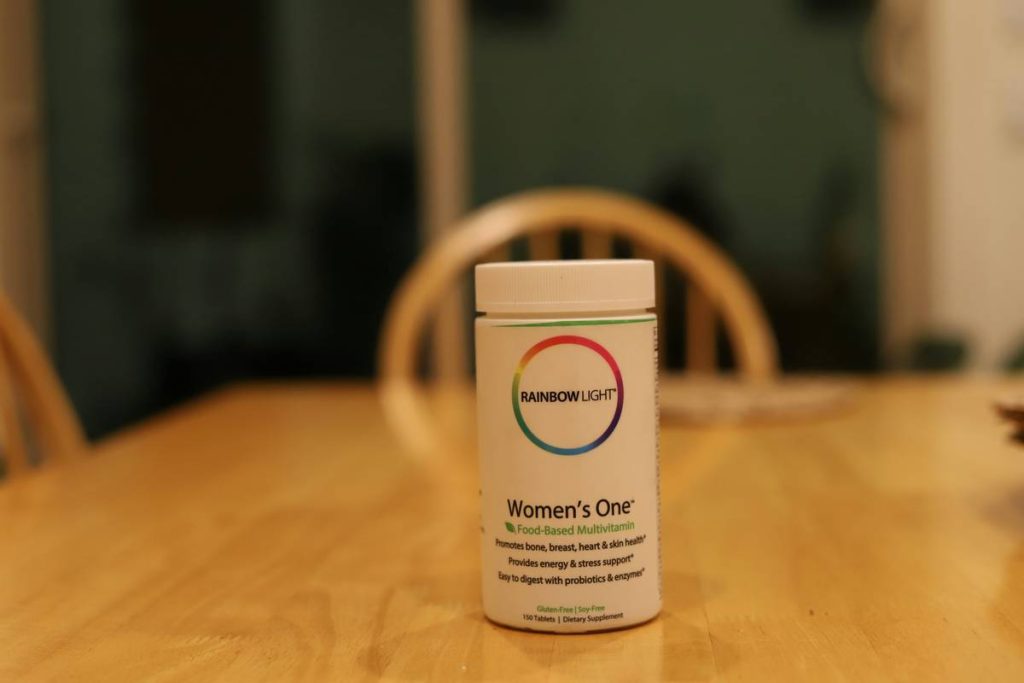
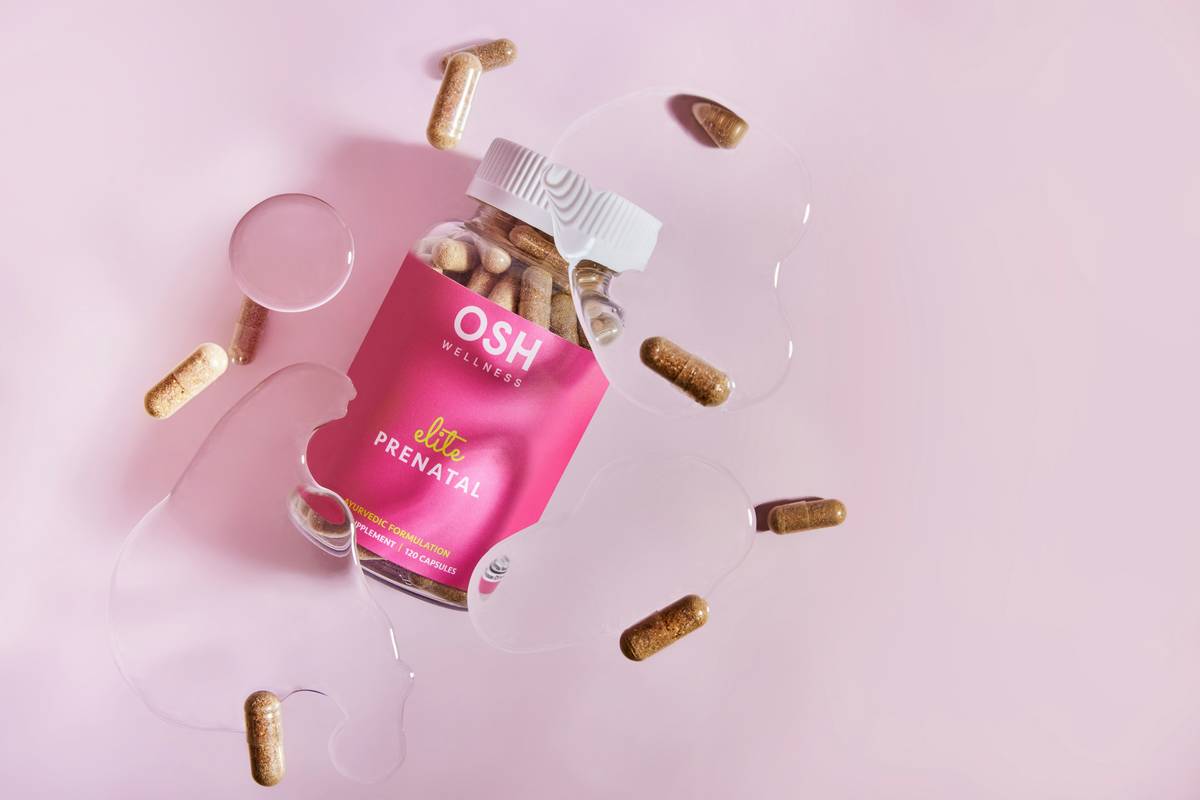
Most prenatal vitamins contain zero vitamin K—not because it’s dangerous, but because deficiency is uncommon in well-nourished populations, and excess intake offers no proven benefit.
Best Food Sources of Vitamin K During Pregnancy
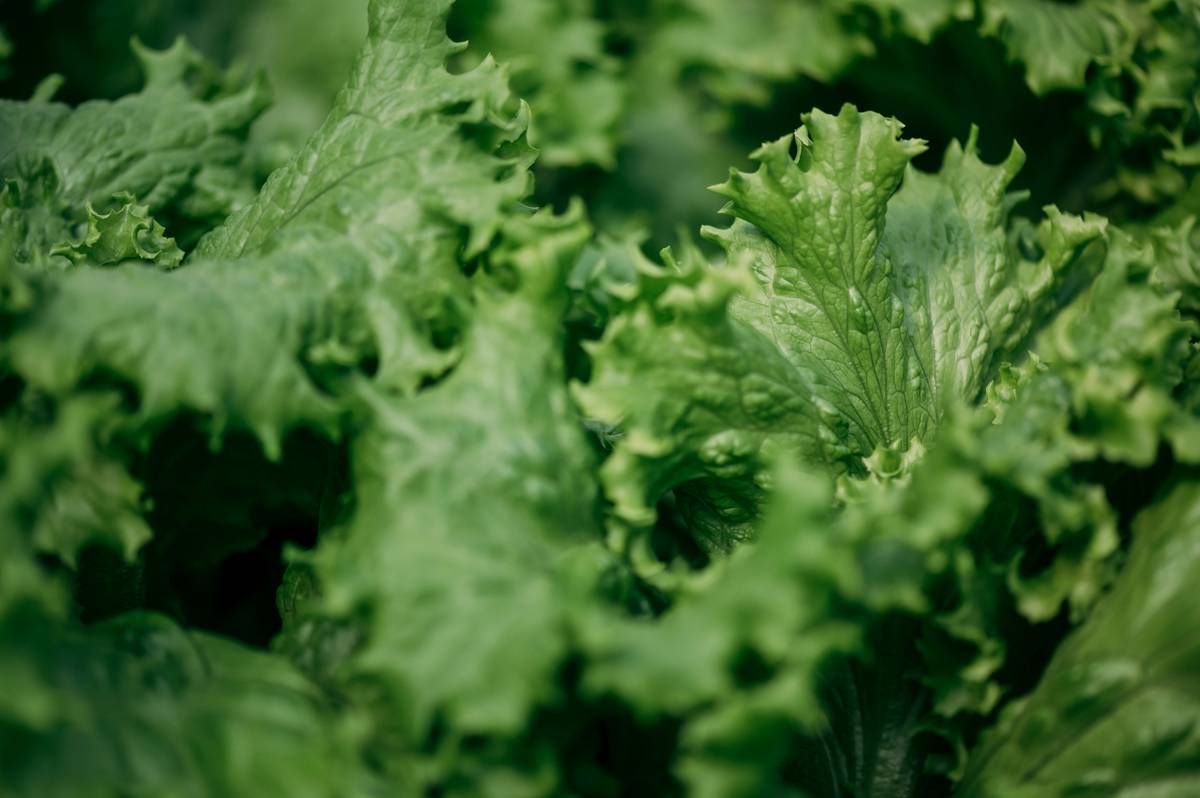
Focus on whole foods first. Vitamin K1 (phylloquinone) thrives in leafy greens, while K2 (menaquinone)—the form linked to bone and heart health—is found in fermented foods and animal products.
Top pregnancy-safe sources:
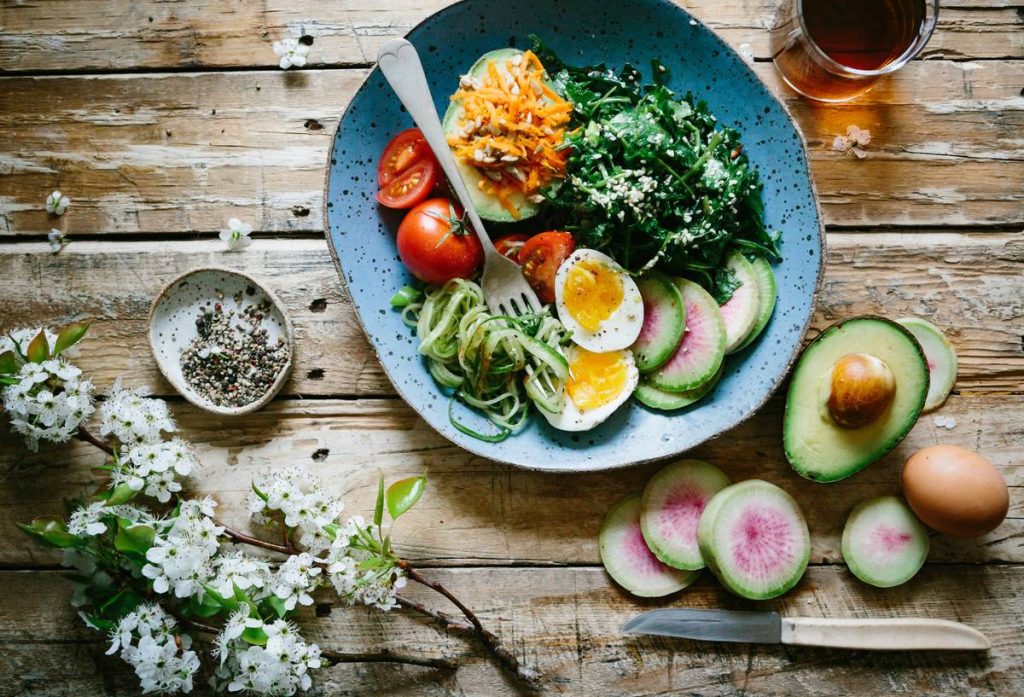
- Dark leafy greens: Kale, collards, spinach, Swiss chard
- Fermented foods: Natto (if you can stomach it), sauerkraut, kefir
- Vegetable oils: Soybean, canola (use sparingly)
- Eggs and dairy: Especially grass-fed or pasture-raised
Pro tip: Pair these with healthy fats (like olive oil or avocado) to boost absorption—vitamin K is fat-soluble!
When Supplementation Might Be Necessary
For 99% of pregnant women? Skip the vitamin K pill. But exceptions exist:
- You’re on long-term antibiotics: These can kill gut bacteria that produce K2.
- You have malabsorption disorders: Crohn’s, celiac, or cystic fibrosis may impair uptake.
- You’re taking warfarin (Coumadin): Vitamin K directly counteracts this blood thinner—so dosing must be carefully managed with your OB and hematologist.
⚠️ Terrible Tip Disclaimer: Don’t take “vitamin K booster” supplements marketed for “healthy glowing skin” or “strong nails” during pregnancy. They often contain 500–1000+ mcg—way above dietary needs—with zero evidence of benefit and potential for interaction.
Rant Section: My Pet Peeve
Nothing grinds my gears more than wellness influencers pushing “clean detox” regimens that eliminate leafy greens—then selling vitamin K gummies as a “solution.” Honey, if you’re eating real food, you don’t need a $30 bottle of pills. And during pregnancy? Less is often more. Your liver doesn’t need extra processing work.
FAQs About Vitamin K and Pregnancy
Is vitamin K safe during the first trimester?
Yes. There’s no evidence that dietary or standard supplemental vitamin K causes birth defects. The critical period for organ development isn’t disrupted by this nutrient.
Can too much vitamin K harm my baby?
Unlikely from food. But extremely high doses (like those used therapeutically for clotting disorders) could theoretically affect fetal development—though no human cases confirm this. Stick to food-first unless medically supervised.
Why don’t prenatal vitamins include vitamin K?
Because most women get plenty from diet, and adding it increases cost without clear benefit. Prenatals prioritize nutrients with higher deficiency risk (folate, iron, iodine).
Should I refuse the newborn vitamin K shot?
Strongly discouraged. Refusing it increases VKDB risk by 81-fold (CDC). Oral alternatives exist but are less reliable. The injection is safe, quick, and potentially lifesaving.
Conclusion
The “vitamin K pregnancy category” isn’t a scary red flag—it’s a reminder that context matters. Natural vitamin K from food is not only safe during pregnancy but beneficial for your coagulation system and your baby’s bone foundation. Supplementation? Usually unnecessary, occasionally risky.
So breathe easy. Eat your greens. Trust the science. And when your newborn gets that little leg poke for vitamin K? Know it’s one of medicine’s quietest, most effective acts of protection.
Like a Tamagotchi, your baby’s health needs consistent, science-backed care—not flashy supplements.
Haiku for the weary mom-to-be:
Greens on your plate glow,
Clotting calm, bones strong below—
Vitamin K flows.